


If your closet has turned into that one part of the house you avoid looking at, you are not alone. Good custom closet design is not about making a room look expensive, it is about fixing the daily mess: the chair buried in clothes, the missing shoe at 7:12 a.m., the shelf that collapses into a fabric landslide every Saturday.
Start with your friction, not a fancy sketch
The biggest mistake happens before a single shelf gets planned. It starts when you look at a polished showroom photo and try to copy it without asking what actually goes wrong in your own space.
Your closet should solve the moments that annoy you most. Maybe hangers are packed so tightly that shirts come out wrinkled. Maybe boots end up in the hallway because there is nowhere for them to live. Maybe sweaters spill from open shelves while jewelry migrates to the bathroom counter. That is the real starting point.
Here’s the thing: custom closet design works best when it follows your routine, not someone else’s idea of a dream closet. The layout is the engine. Finishes and pretty details come later.
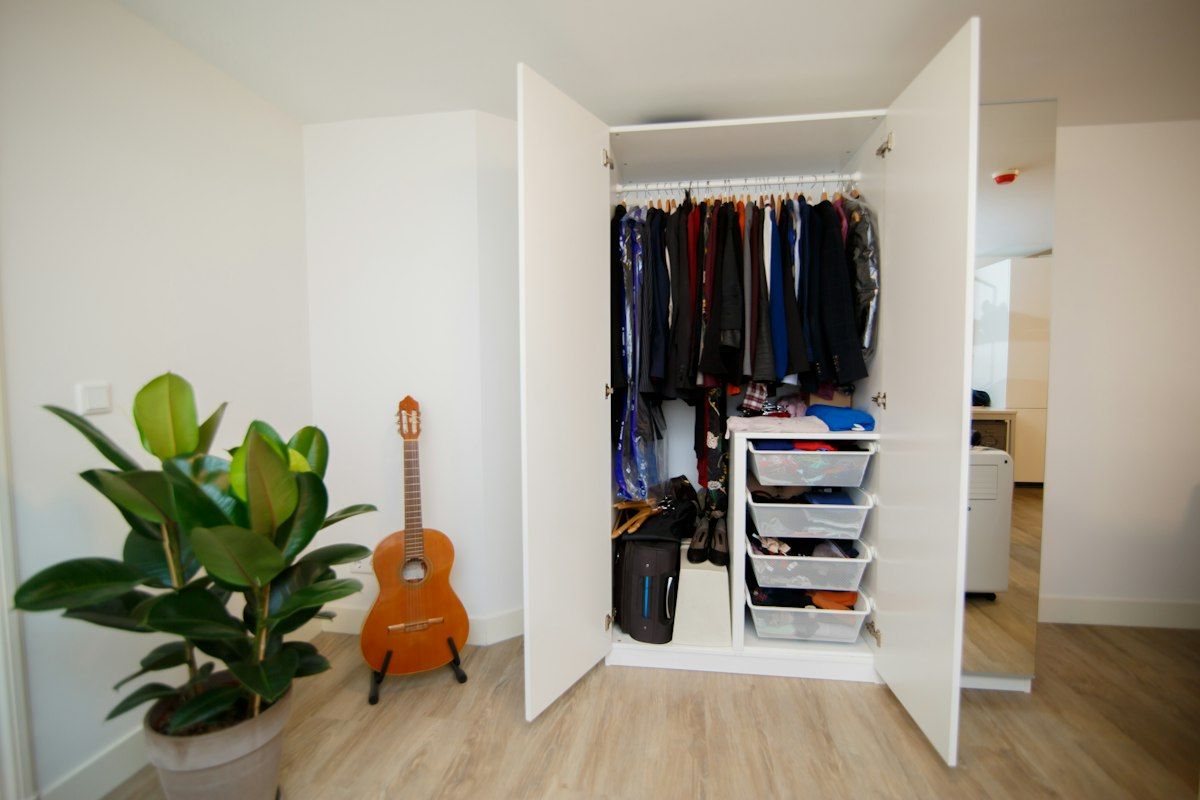
Take inventory before you plan anything
Before you think about rods, drawers, or cabinets, get honest about what needs a home. Not the fantasy version of your wardrobe. The one you actually reach for on a Tuesday morning when you are late and looking for the navy sweater that somehow vanished.
Count clothing, shoes, bags, accessories, extra bedding, and off-season pieces. Include the awkward stuff too, like a bulky robe, a carry-on suitcase, or those hats that never sit neatly anywhere. Custom layouts work because they reflect real volume, not guesses.
If you want a clearer picture of what a system can include, it helps to see what goes into a custom setup before comparing layouts.
Sort by what gets used every week
Start by splitting everything into three groups: weekly use, occasional use, and long-term storage. The weekly group gets the best real estate, between shoulder and waist height, where you can grab things without bending, stretching, or digging.
That one rule fixes more closet frustration than almost anything else. Daily shoes, work clothes, pajamas, favorite bags, and often-used accessories should be easy to reach. Formalwear, sentimental items, and off-season overflow can move up high or farther back.
Measure what you own, not just the room
Room dimensions matter, but inventory dimensions matter just as much. Count how many items need long hang, meaning full-height hanging space for dresses, coats, robes, and long jackets. Then count short-hang items like shirts, folded pants, blouses, and skirts.
That leads to double hang, which simply means two stacked rods, one above the other, for shorter clothing. Done well, upper and lower hanging rods can increase storage dramatically. Also count folded stacks, shoe pairs, handbags, and accessories. A closet that fits the room but not your stuff still fails.
Build the layout around zones
The best closet layouts feel less like storage and more like a floor plan for getting ready. Different categories need different kinds of space, and mixing everything together is what creates chaos.
Think in zones. One area for daily dressing. One for folded items and smaller pieces. One for seasonal and backup storage. Once each category has a place, the room starts working with you instead of against you.
Everyday zone
This zone should hold the things you use most often: current-season clothes, daily shoes, go-to bags, belts, and whatever leaves the closet with you most mornings. Put this area where your hand naturally lands.
That might sound obvious, but plenty of closets waste the easiest-to-reach space on display shelves or decorative features. Convenience matters more. If mornings are rushed, this zone should reduce decisions and eliminate hunting.
Folded and drawer zone
Folded clothes need structure, not just spare shelf space. Tees, denim, sweaters, undergarments, pajamas, and workout clothes usually do better in drawers or tightly planned shelving than in random baskets.
Built-in drawers earn their keep because they contain the small, messy categories that make a closet feel messy even when hanging space looks fine. If you have been cycling through bins and inserts with limited success, this is where stronger storage ideas beyond basic bins start to make more sense.
Seasonal and backstock zone
Higher shelves, top cabinets, and less convenient corners should handle the items you do not need every week. Luggage, extra linens, holiday wear, and off-season clothing belong here.
The trick is to keep this zone useful without turning it into a black hole. Closed cabinets help if you want a cleaner look, and that preference is common, with closed closets at 55% of market demand in current research.
Choose the right mix of hanging, shelves, and drawers
Most bad closets are too one-note. Too much hanging, not enough drawers. Too many shelves, no smart shoe storage. A good custom layout uses variety because wardrobes are varied.
When double hang makes sense
Double hang is one of the easiest ways to increase capacity. If much of your closet is made up of shirts, folded-over pants, skirts, and shorter jackets, two rods can give you far more usable space than one long section.
But it is not for everything. Long dresses, coats, and robes will bunch on the floor, which defeats the point. If you want help estimating proportions, it helps to understand how much rod space clothing really uses.
Where long hang should go
Long hang deserves a dedicated section, not a leftover corner. Put it where full-length pieces can drop cleanly without blocking drawers or brushing shoes below.
Even a small long-hang area can make a huge difference if it is planned intentionally. A few inches saved from overbuilding shelves can prevent constant crowding and wrinkling.
Why shelves work best with limits
Shelves are useful, but only when the spacing is right. Too tall, and stacks topple over. Too deep, and items disappear in the back. Too many open shelves, and the whole closet starts looking cluttered even when it is technically organized.
Adjustable shelves are worth considering if your storage needs change often. Sweaters, jeans, and bags rarely stay the same in volume year after year, especially when most households keep adding clothing at a steady pace.
Why drawers earn their footprint
Drawers take up room, but they save sanity. Socks, underwear, sleepwear, workout gear, scarves, and smaller accessories are much easier to maintain when hidden behind a drawer front instead of floating around in bins.
They also help your bedroom. Many custom layouts now pull dresser storage into the closet itself, which makes the whole space feel calmer and more functional.
Add specialty features only if they solve a real problem
Specialty storage can be fantastic, or it can be expensive filler. The difference is simple: if a feature fixes a recurring problem, it is worth discussing. If it just looks impressive, skip it.
Shoe storage that fits your actual pairs
A shoe wall sounds nice until you realize most of your collection is sneakers and ankle boots, not heels lined up like a boutique. Flat shelves work well for mixed shoe types. Angled shelves improve visibility. Cubbies create separation but can waste space if sizes vary. Pull-outs help in tighter spots.
If shoes are the main clutter source, take a closer look at shoe-specific layout options that keep pairs visible so the floor does not become overflow parking again.
Accessory storage for belts, jewelry, bags, and hats
Small items spread fast. One belt on a hook becomes six. A tray of jewelry becomes a tangle. Bags migrate to the chair in the bedroom because there is nowhere obvious to put them back.
That is why accessory storage matters more than it seems. Hooks, divided drawers, bag shelves, and simple compartments keep clutter from leaking into the rest of the room. For many homes, this is the difference between a closet that stays tidy and one that falls apart by Thursday.
Islands, benches, and vanities in larger closets
In a true walk-in, an island or bench can add real function. A center island gives you drawers and a folding surface. A bench helps with shoes and offers storage underneath. A vanity can make sense if your getting-ready routine already happens in the closet.
The catch is clearance. If adding a center piece makes movement feel cramped, it is not an upgrade. You need enough open space to walk, turn, and open drawers without doing a sideways shuffle.
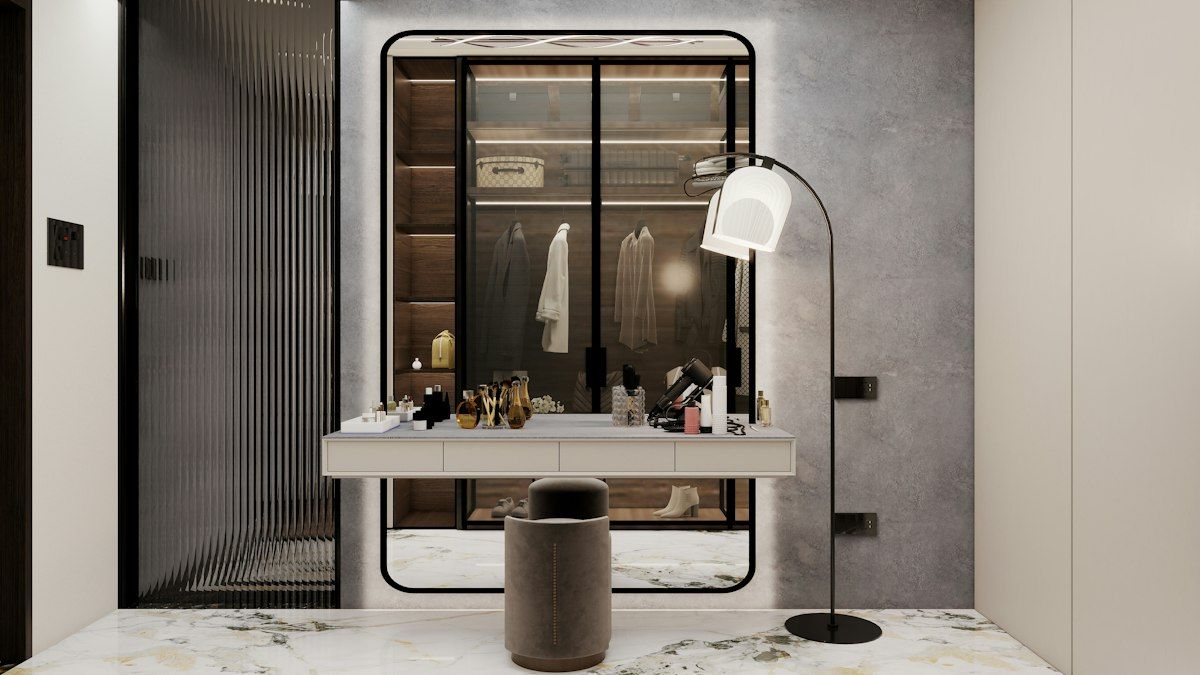
Plan for the room you have
A reach-in closet and a walk-in closet do not ask for the same strategy. One needs editing and multitasking. The other needs circulation and zoning.
Walk-in closet layout priorities
Keep the center open enough to move comfortably. Use walls for categories, not random mixes. Daily items should stay closest to the easiest path through the room, while seasonal storage can rise higher.
If the footprint is generous, an island can work. If not, wall-based storage will usually serve you better than squeezing furniture into the middle.
Reach-in closet layout priorities
Smaller closets need every inch to work harder. Shallow shelves, carefully planned rods, and drawers below hanging sections usually perform better than oversized components.
Door swing matters too. Hinged doors can block access, while sliding doors limit what is visible at one time. In a reach-in, multitasking matters more than luxury details.
Don’t Ignore ceiling height, corners, and odd walls
Awkward walls are where custom work starts paying off. Generic systems tend to give up on sloped ceilings, tight corners, and uneven walls. Custom planning does not.
Floor-to-ceiling storage, top shelves, and carefully fit cabinetry reclaim wasted vertical space. That matters because home remodeling spending remains strong, which means more homeowners are investing in function, not just surface updates.
Set a budget by priority, not by package
You do not need a perfect number before you start researching. What helps more is knowing what deserves your money first.
Spend first on layout and fit
If the layout is wrong, nicer finishes will not save it. Accurate measurements, the right balance of hanging, shelves, and drawers, and a design that uses the room properly should come before upgraded hardware or decorative trim.
This is where custom work earns its value. The market keeps growing because personalized systems solve problems generic kits usually miss.
Save on finishes if needed
If you need to trim the budget, start with cosmetic upgrades. Drawer fronts, fancy pulls, glass details, and display-style touches are nice, but function should win.
A simpler finish with a smart layout is better than a beautiful closet that still leaves bags on the floor and sweaters stacked on a chair.
Avoid the mistakes that make a custom closet feel custom in name only
Most closet planning mistakes are easy to prevent once you know where things go wrong.
Copying a showroom instead of your routine
A showroom is staged for visual balance. Your closet needs to survive real life. If your wardrobe is heavy on folded denim and athletic wear, a design packed with open hanging space will look polished and work badly.
Underestimating drawers and accessories
Small items create big mess. Even when hanging clothes are handled well, clutter from socks, belts, jewelry, and bags can make the whole room feel chaotic.
Leaving no flex space
Do not design to 100 percent capacity on day one. Clothes change. Seasons rotate. Purchases happen. Leaving breathing room is not wasted space, it is what keeps the closet usable over time.
Going DIY without a reality check
DIY sounds simple until walls are uneven, floors slope slightly, and pieces do not line up. Many systems also need more tools than expected, including saws, anchors, levels, and patch materials. In short, it is not always a weekend project.
Use this simple planning checklist before you call a designer
Before you look at layout drawings, spend 15 minutes doing one useful thing: count what actually needs a home. Measure the room, snap a few photos, note your trouble spots, and make a short wish list of what you want fixed first.
That small step changes the whole conversation. Instead of reacting to pretty layouts, you will be planning a closet that finally works the way your home should.
Frequently asked questions
How much hanging space should a custom closet have?
Enough for the clothes that truly need hangers, and no more. Shirts, blouses, jackets, dresses, and coats should shape rod space, while tees, denim, and undergarments often do better in drawers or on shelves.
Are drawers really worth adding in a closet?
Yes. Drawers solve the categories that cause the most visual clutter, especially socks, sleepwear, workout clothes, and accessories. They also reduce the need for extra bedroom furniture.
What is the difference between long hang and double hang?
Long hang is one full-height section for longer garments like dresses and coats. Double hang uses two stacked rods for shorter clothing, which can fit far more in the same wall space.
Is a walk-in always better than a reach-in?
No. A poorly planned walk-in can waste space, while a well-designed reach-in can be extremely efficient. Layout matters more than closet type.
Should a custom closet include open shelves or closed cabinets?
Both can work. Open shelves keep items visible but can look messy fast. Closed cabinets hide overflow, reduce dust, and create a cleaner look, especially for higher or less-used storage.
Is professional installation worth it?
For truly custom fits, usually yes. Precise measuring, uneven walls, and secure mounting all matter, and mistakes can be expensive to fix later.