


If your closet still spills onto the bedroom chair, the problem probably is not a lack of bins. The best closet storage ideas fix the layout first, so getting dressed feels easier at 6:45 a.m. and your shelves stop collapsing into soft, annoying piles.
1. Start by fixing the layout, not buying more stuff
Most closets fail because the structure is doing a bad job. One rod, one deep shelf, and a few random add-ons force everything to compete for the same space. That is why another basket rarely changes much.
Start by looking at what actually lives in your closet now, not what you wish lived there. Work clothes, casual clothes, shoes, bags, folded knits, accessories, laundry overflow, dry cleaning. Once you see the real mix, the layout gets clearer. A closet should support your routine, not just store fabric.
Notice your “friction points” first
The trick is to notice where the daily snag happens. Maybe your shoes are buried in back. Maybe sweaters are stacked so high you pull one and three come down. Maybe pants share the same section as dresses, so nothing is easy to scan. Maybe half-dressed outfits keep landing on the chair because the closet has no in-between zone.
Those moments tell you what to fix first. And honestly, 80% of clutter comes from disorganization rather than true lack of space, which explains why more containers can leave the room feeling just as crowded.
Give everyday items the easiest spots
Your best storage real estate sits between shoulder and knee height. Put the pieces you reach for constantly there: favorite pants, daily shoes, work tops, go-to bags. Save the awkward high shelf and low corners for things you use less often.
That one shift matters more than it sounds. A closet gets better fast when your hand naturally lands on the right item instead of digging through layers.
2. Add a second hanging rod to double the useful space
A single rod wastes a surprising amount of vertical room. Most shirts, skirts, folded pants, and shorter jackets do not need the full height of the closet, so all that empty air underneath turns into missed storage.
A double-hang setup solves that. Put one rod above and one below in the sections where shorter clothes live. You instantly create room for twice the hanging pieces in the same footprint. If you are still guessing how much rod length you really need, this guide to planning your hanging sections helps make the math less fuzzy.
Split short-hang and long-hang sections
Do not force every item into the same format. Long dresses, coats, and jumpsuits need one taller area. Shirts, blouses, shorter skirts, and many pants do better in double-hang sections.
This split keeps the closet from feeling cramped because each category finally gets the height it actually needs. It is a simple change, but it often fixes the “why is this closet always full?” problem in one move.
3. Swap fixed shelves for adjustable shelving
Fixed shelves look tidy on day one and annoy you by month three. Your storage needs change with the season, your wardrobe, and life in general. Adjustable shelves move with you.
That flexibility is a big reason shelving dominates the category. In fact, shelving systems hold the largest share of closet organizer products, because shelves do a lot of heavy lifting without making the space complicated.
Use shallow shelves for visibility
Deep shelves become hiding places. Clothes drift to the back and disappear like leftovers shoved behind the milk.
Shallower shelving keeps everything visible. Folded sweaters, jeans, and bags stay in one layer instead of two mystery rows. You spend less time searching, and you are less likely to keep buying duplicates of something you already own.
Reserve the top shelf for low-use items only
The top shelf should not hold your daily life. Use it for luggage, off-season pieces, keepsake boxes, or extra bedding. If you store everyday shoes or workout gear up there, your closet is making basic tasks harder than they need to be.
4. Use drawers to hide the small stuff that creates visual clutter
Baskets look harmless until socks, underwear, tees, and workout gear start blending together. Drawers usually work better because they contain categories without turning them into a pile.
A few drawers can calm the whole closet. Smaller items disappear behind a clean front, which means less visual noise and fewer half-finished stacks sliding off shelves. If you are comparing options, it helps to know what a real closet system includes so drawers are planned as part of the whole layout, not tacked on later.
Add simple dividers inside the drawers
Dividers are just inserts that separate one category from another. Nothing fancy. But they keep belts from tangling with scarves, jewelry from drifting, and small clothing items from turning into one mixed-up layer.
That is the catch with small items: they create more clutter than their size suggests.
5. Build zones so your closet works like a routine, not a junk drawer
Grouping by type is fine, but grouping by how you live works even better. Put work clothes together. Put weekend clothes together. Keep accessories near the side of the closet you reach for while finishing an outfit.
A closet should follow the order of your morning. That is what makes it feel smooth instead of random.
Create a landing zone for next-day outfits
Give yourself one dedicated place for tomorrow’s clothes. A hook, valet rod, or one open section is enough.
This sounds small until a weekday morning hits. Having your outfit ready in one spot can make 6:45 feel a lot less frantic, especially when you are packing a bag, finding shoes, and trying not to wake the whole house.
Keep shoes near the clothes they go with
Convenience beats showroom styling every time. Place your everyday shoes near the clothes you wear with them most often, not in some separate corner just because it looks neat.
If shoes are your biggest trouble spot, these ideas for keeping pairs off the floor go deeper into layouts that actually stay usable.
6. Use the back of the door and side walls for overlooked storage
Closets often have blank surfaces doing nothing. The back of the door and short side walls can hold belts, scarves, small bags, or slim racks for everyday extras.
This is where narrow, flat storage shines. Hooks, mounted rails, and shallow organizers add function without stealing walking room.
Choose vertical storage that stays flat
Skip bulky over-the-door organizers that puff out, swing around, and snag everything. If the door will not close cleanly or the organizer bumps the frame, it is not helping.
Flat storage wins because it stays out of your way while still using dead space.
7. Replace bulky dressers in the closet with better-fit pieces
A deep dresser inside a small closet is like parking an SUV in a narrow alley. It eats floor space and makes everything around it harder to reach.
A narrow drawer unit, low cabinet, or slim tower usually stores more efficiently because it is sized for the closet instead of the bedroom. This matters even more in reach-in closets where every inch counts.
Think in inches, not furniture categories
Measure width, depth, and clearance before choosing anything. Not “dresser” or “cabinet.” Inches.
That mindset changes the whole project. A piece earns its spot only if drawers open fully, hangers still clear, and you can move without turning sideways.
8. Make shoes part of the system instead of the floor problem
Shoes create chaos fast because they are heavy, awkward, and easy to kick aside “for now.” But once the floor becomes the shoe zone, the whole closet starts to feel broken.
Angled shelves, cubbies, slim racks, and shelf risers all work because they keep pairs visible. And visibility matters. Research has even linked shoe racks with smoother morning routines, which honestly makes perfect sense if you have ever hunted for one missing flat.
Store by frequency, not by aspiration
Keep your everyday pairs at hand level. Move special-occasion heels, boots, or once-a-year shoes higher up.
That keeps the system honest. Your closet should reflect your real week, not a fantasy version of it.
9. Create seasonal rotation space so the closet can breathe
A closet feels overstuffed when every season tries to live there at once. Heavy coats, sandals, sweaters, and linen dresses do not all need prime space year-round.
Shift off-season items to the top shelf, under-bed storage, a guest-room closet, or labeled garment bags. That breathing room makes your current wardrobe easier to see and easier to use.
Don’t Store everything in the main closet year-round
Prime closet space should serve the current season first. Anything else is just crowding the people who actually live there now: your daily clothes.
10. Upgrade hangers and spacing so clothes stop fighting each other
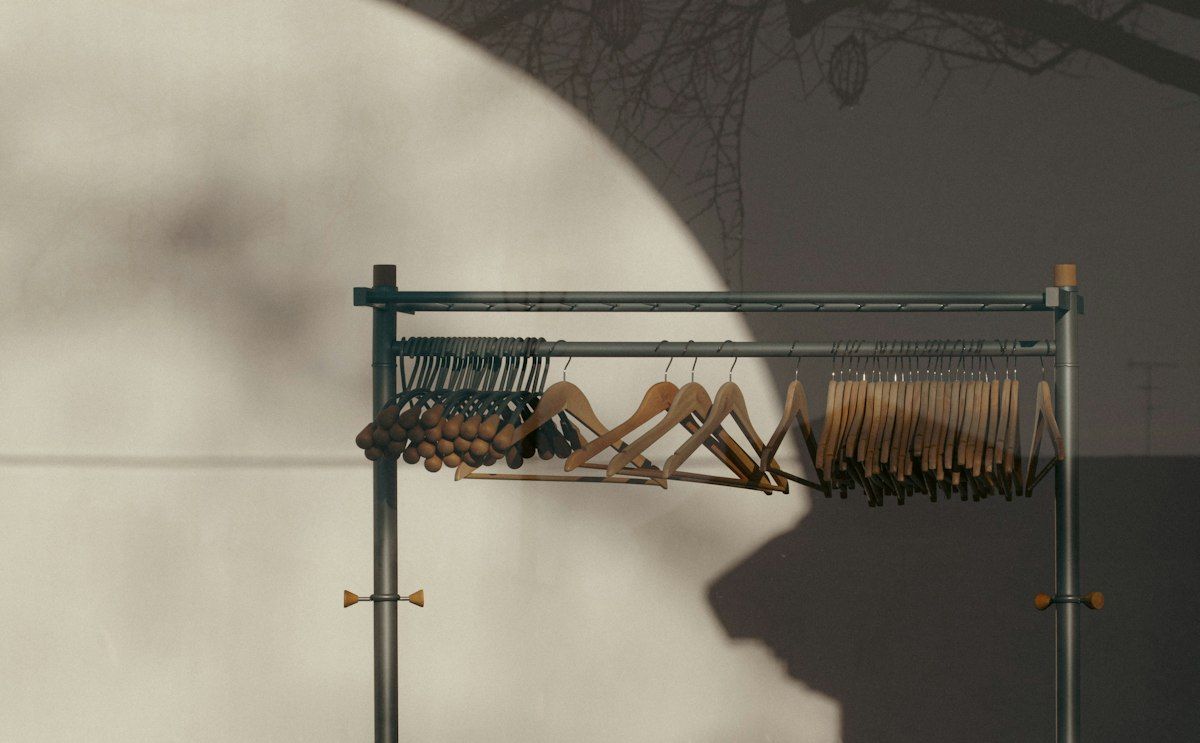
Bulky mismatched hangers waste space and make rods harder to scan. Slim matching hangers hold more, look cleaner, and keep clothes from bunching into each other.
This does not need to become a perfection project. You are not styling a boutique. You are trying to make Tuesday morning easier.
Use hanger types on purpose
Use standard slim hangers for most tops and dresses. Use clip hangers for skirts or folded pants. Use specialty hangers only where they solve a real problem, like delicate straps or heavy trousers.
A little consistency goes a long way. Since people tend to wear only a small slice of what hangs in the closet anyway, customizable features matter more than buying more random accessories.
11. Add a small custom or modular system when the basics still aren’t enough
Sometimes quick fixes stop working because the closet has outgrown them. Modular systems use adjustable pieces you can rearrange. Fitted systems are built for the exact dimensions of your space.
That shift is happening for a reason. More spending is moving toward built systems instead of loose products, because layout solves more than gadgets do.
Signs you’ve outgrown quick fixes
If you keep reorganizing the same shelf, if corners go wasted, if one top shelf is doing too much, or if storage keeps creeping into the bedroom, you have probably hit the limit of bins and inserts.
That is when it helps to look at mapping the right closet layout instead of swapping one organizer for another.
What to prioritize in a real closet system
Prioritize adjustable shelves, drawers, double-hang sections, shoe storage, and a plan based on what you actually own. Not generic accessory displays. Not fancy extras first.
A real system should solve your bottlenecks, not just make the closet look upgraded for a week.
12. Know when professional closet design is worth the call
If you have spent years buying pieces that almost work, professional design can save money as much as it costs. That is especially true in older homes, awkward reach-ins, and shared closets where odd dimensions ruin off-the-shelf options.
And this is not some niche trend. Custom closet and storage design now makes up 52% of organizer revenue, which says a lot about where homeowners are finding real results.
Best situations for outside help
Outside help makes sense when the closet has weird corners, one wall is underused, two people are competing for the same rod, or the mess has become daily friction instead of an occasional annoyance.
Closets can add value too. A striking 97% of realtors say buyers care more about closet space than attic or basement storage.
One first step to try before you call
Before making the call, map the closet into zones on paper or clear one section and assign it by daily use. Then notice what still does not fit.
That one exercise usually makes the answer obvious. Either the layout starts working, or you finally see exactly what kind of help the space needs.
Frequently asked questions
What are the best closet storage ideas for a small reach-in closet?
The best ideas are usually double hanging rods, shallow adjustable shelves, drawers for small items, and shoe storage that lifts pairs off the floor. Small closets work better when every section has a job.
Are bins ever useful in a closet?
Yes, but only for the right things. Bins work best for low-use items, seasonal accessories, or soft storage on higher shelves. They should support the system, not become the system.
How do you decide what belongs at eye level?
Put your most-used clothes, shoes, and accessories there. Eye and hand level should hold what you reach for several times a week, because that is the space that saves time every day.
Is a custom closet worth it for an older home?
Often, yes. Older homes tend to have odd dimensions, shallow depths, or awkward corners that standard organizers do not handle well. A fitted plan can make use of space that otherwise stays wasted.
How often should you rotate seasonal clothing?
Twice a year is enough for most closets. Move cold-weather pieces out when warm-weather dressing starts, then reverse it in fall. The goal is to keep your current season visible and easy to access.
What should you try first if your closet always feels messy?
Start by fixing one problem area instead of everything at once. Reassign one shelf, one rod, or one shoe section based on what you use daily. A single working zone is often enough to show you what the rest of the closet needs.