


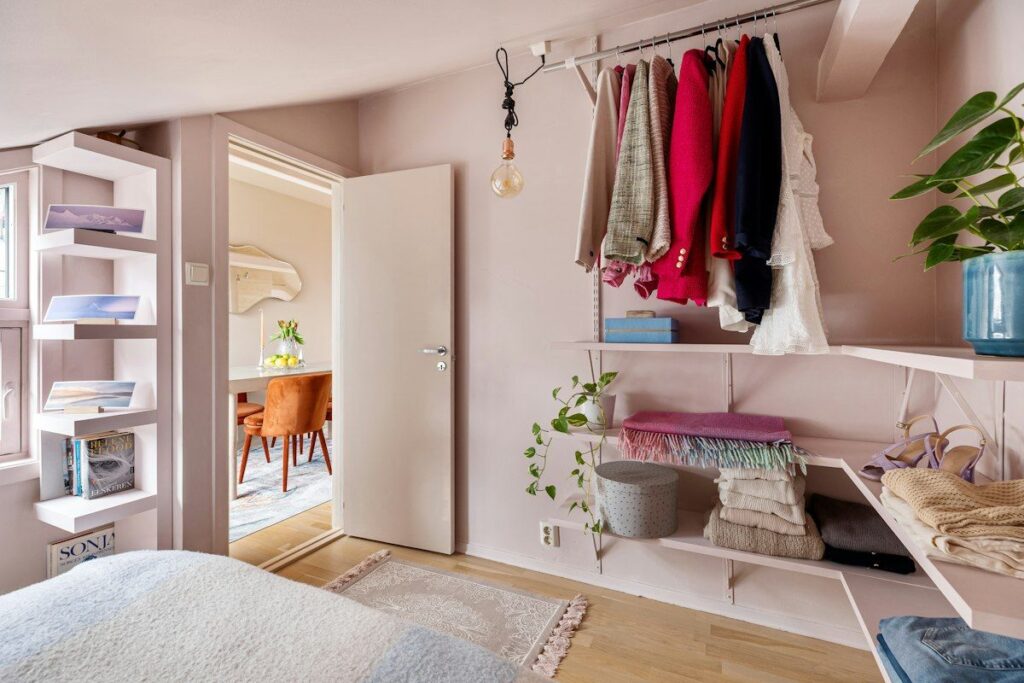
If closet decluttering keeps ending with a prettier mess, not a lasting fix, the problem probably isn’t your effort. It’s that your closet has been patched with bins, extra rods, and good intentions, while the real system never got sorted. This guide cuts through that and shows how to make your closet work on an ordinary Tuesday morning, not just right after a purge.
Here’s the simple version: closet decluttering means removing what no longer fits your life, then setting up what stays so it’s easy to use and easy to maintain. It’s part editing, part decision-making, and part layout, which is exactly why surface-level fixes keep failing.
Why closet decluttering keeps failing
You know the scene. The chair has three half-worn outfits on it, shoes are drifting near the baseboard, and somehow your closet is packed while you still wear the same handful of things. That’s not a discipline problem. That’s a bad system.
A closet can be full and still not function. In fact, that’s usually the issue. Too many items are fighting for the same space, your most-used clothes aren’t the easiest to reach, and every morning turns into a string of tiny decisions before coffee.
The real problem Isn’t “too much stuff” alone
Yes, volume matters. But clutter is rarely just a numbers problem. It’s also about delayed decisions, old identities, and storage that never matched how you actually get dressed now.
That’s why matching hangers and shelf dividers often disappoint. They make clutter look tidier, but they don’t fix a closet full of clothes for an old job, a past size, or a version of your life that ended years ago. If your setup still holds all of that, the closet stays jammed no matter how many organizers you add.
What a decluttered closet should actually do for you
A good closet should make mornings easier. You should be able to spot your go-to pieces fast, put laundry away without playing Tetris, and reset the space in a few minutes instead of losing a whole Saturday to it.
That’s the target. Not a showroom. Not color-coded perfection. Just a closet that stops making your bedroom feel like a traffic jam.
Start with a reset That’s small enough to finish
The fastest way to burn out is trying to overhaul everything in one shot. The better move is smaller and honestly more effective: pick one zone, finish it, and get a real win.
Early progress matters because it changes how the space feels. Research on decluttering has linked it to a stronger sense of control and lower stress, which makes sense when one part of your home stops fighting you every day (situational control).
Pick the highest-friction zone first
Start where the annoyance is loudest. Maybe it’s work tops stuffed shoulder-to-shoulder on one rod. Maybe it’s the shoe pile by the closet door. Maybe it’s that awkward dresser-to-closet handoff where clean clothes go to disappear.
Go for impact, not fairness. You do not need to start at the top shelf just because it comes first physically. Start where your daily routine keeps snagging.
Use a short-time method instead of a marathon
Short rounds work better than heroic cleanout days, especially when you’re already tired of the whole situation. One smart approach is three 20-minute blocks: trash, donate, and put back.
That structure keeps you moving. You’re not wandering around making a hundred emotional decisions at once. You’re just clearing obvious junk, removing easy exits, and returning what belongs.
Take a before photo and count what leaves
Take one phone photo before you start. Not for social media, just so you can see change later when your brain tries to tell you nothing happened.
Then count what leaves. Ten tops. Four pairs of shoes. One stuffed tote of scarves you never touch. Progress is easier to trust when it has numbers attached, especially if the closet still isn’t magazine-perfect.
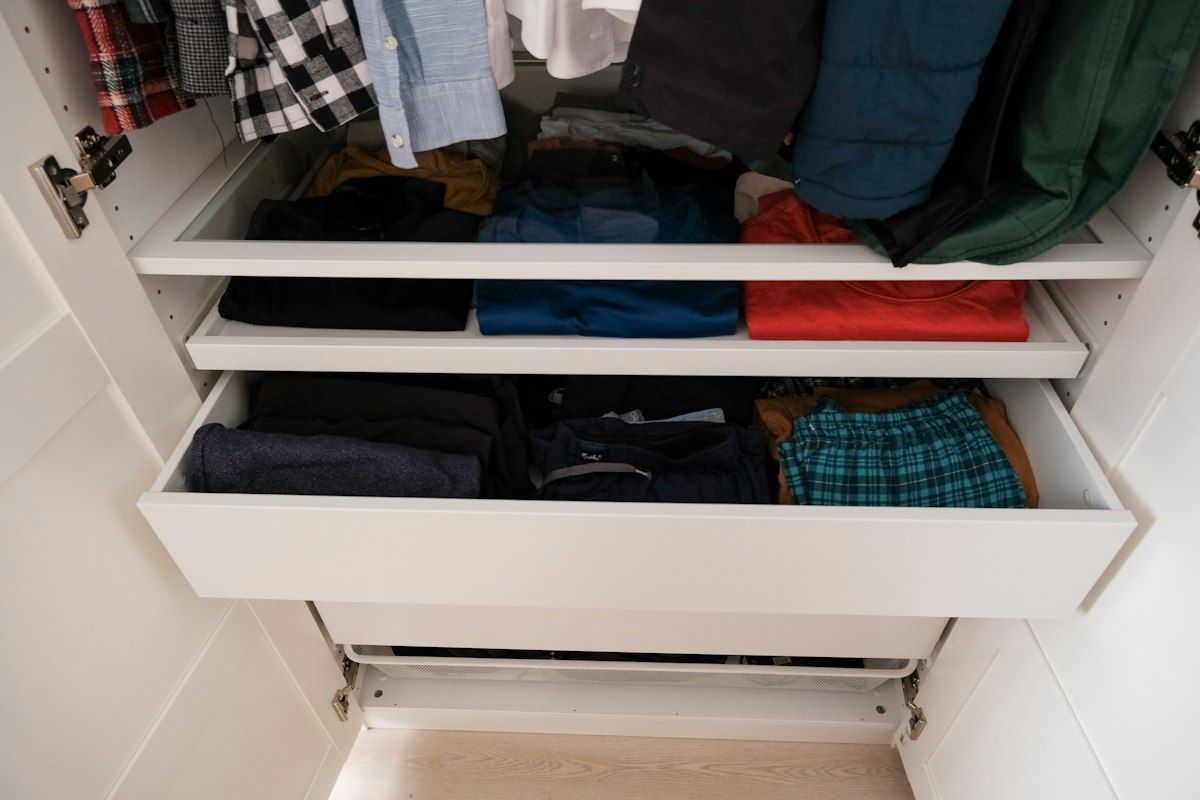
How to decide what stays when You’ve already tried every rule
The trick isn’t finding one magical rule. It’s stacking a few fast tests that cut through overthinking.
If you’ve ever picked up the same sweater five times and still put it back, you need a decision system that reflects real life, not decluttering slogans.
Ask: does this fit your life right now?
Start there. Not last year. Not ten pounds ago. Not the job you left. Right now.
Clothes can become placeholders for a life you’re not living anymore. Old office wear, hobby gear, bridesmaid dresses, aspirational jeans, all of it can sit there quietly taking up room. If you’ve outgrown it in any sense, body, schedule, style, or season of life, that counts.
Use 3 fast filters that cut through overthinking
Ask three things. Have you worn it recently? Would you notice if it disappeared? Do you feel good when you put it on?
Those questions work because they’re practical. They skip the drama and get to function. Similar reflective decluttering research found people kept clothes for comfort, versatility, identity, and usefulness, while unworn or emotionally negative items were the easiest to release (reflective decluttering).
If you need backup evidence, try the reverse hanger trick later. But for now, fast honest answers are enough.
Separate useful clothes from guilt clothes
Guilt clothes are expensive mistakes, gifts you never liked, size-milestone pieces, or “someday” outfits with tags still on. Keeping them doesn’t recover the money. It just keeps the guilt active every time you see them.
Useful clothes earn their space. Guilt clothes demand it.
That distinction changes everything.
The hard part: sentimental, expensive, and “just in case” items
This is where most closet projects stall. Not on the black T-shirt you never wear, but on the jacket that cost too much, the concert tee from 1998, or the dress you’re saving for an event that doesn’t exist.
You don’t need to be ruthless. You need boundaries.
Put keepsakes on a boundary, not all over the closet
Memory items shouldn’t be sprinkled through every shelf like emotional landmines. Give keepsakes one defined container and stop there. A one keepsake bin rule works because it protects the memories without letting them quietly take over storage meant for daily life.
Once that bin is full, something has to leave before something else comes in. Simple. Clear. Done.
Handle occasion wear and backup items without letting them take over
Formalwear, extra coats, backup handbags, travel gear, and rare-use pieces need a limit too. One shelf, one bin, one hanging section. That’s it.
Containment matters more than category labels. If special-use items spread into your everyday zone, your whole closet starts serving rare occasions instead of actual life. If you’re working with a tight footprint, this breakdown of what really belongs in a compact wardrobe area helps.
What to do with clothes that still have value
Sell if you’ll actually sell. Consign if the drop-off is easy. Pass items along if you already know who wants them. Otherwise, donate and move on.
The catch is that selling often becomes a delay tactic. A bag waiting six months by the bedroom wall is still clutter. Getting the item out matters more than squeezing every last dollar from it.
Set up a closet that works on a busy Tuesday, not just after a big purge
Once the volume comes down, layout starts mattering a lot more. You’re no longer asking, “How do I cram this in?” You’re asking, “How do I make this easy to live with?”
That’s a much better question.
Put your most-worn clothes in the easiest spots
Prime real estate goes to the clothes you wear constantly. Daily tops at eye level. Favorite shoes where you can grab them without crouching. Low-use items up high or farther back.
This is also where layouts that stay tidy longer can help, because the best setup follows your habits instead of fighting them.
Stop buying organizers before you fix the volume problem
Buying storage too early is like buying extra bookshelves before deciding which books you even want. It feels productive, but it usually just gives clutter a nicer container.
Use what you already have first. Shoeboxes, baskets, spare bins, even sturdy gift boxes. If you eventually want a bigger upgrade, it helps to understand the tradeoffs in store-bought versus built-in solutions.
Make maintenance almost automatic
Maintenance should feel boring, not heroic. Keep a donate bag in the closet. Use a one-in, one-out rule when shopping starts creeping up. Put clothes back in the same general zone every time.
That kind of repetition is what makes the reset last. It also beats the rebound that often happens after a big cleanout, when new purchases slowly refill the space.
How to keep closet decluttering from becoming a one-weekend fix
A little backslide is normal. It doesn’t mean the system failed. It means you live there.
What matters is having a rhythm that catches clutter before it builds into another breaking point.
Use a simple decluttering rhythm
Pick something realistic: five or six items a day, one category each week, or one deeper closet pass every month. Even 5 to 6 items per day adds up fast without turning your life into a project.
Small repeats beat dramatic overhauls. Every time.
Notice what you keep re-buying or re-ignoring
Patterns tell the truth. If you keep buying black tops but only wear two of them, that’s useful. If certain cuts, fabrics, or colors sit untouched, that’s useful too.
Closet decluttering gets easier when it starts shaping what comes in, not just what goes out.
Try one shelf, one rod, or one category this week
Don’t wait for a free weekend that never shows up. Pick one rod. One shelf. One category like shoes or work pants. Finish that, take the photo, count what leaves, and stop there.
That small reset is how a stuck closet starts changing for real.
Frequently asked questions
How often should you declutter your closet?
A quick reset weekly and a deeper pass monthly usually works better than one giant annual purge. The goal is to catch buildup early, before it turns into another all-day project.
What if your closet is small but your wardrobe isn’t?
A small closet forces clearer limits. Keep daily-use clothes there, move off-season or rare-use items elsewhere, and be honest about what space you actually have. That’s why making smarter use of a tighter setup matters more than cramming in more containers.
Should you take everything out first?
Not always. If full clear-outs have failed before, start smaller. One zone at a time is easier to finish and easier to maintain.
Is it better to sell or donate clothes?
Sell higher-value items only if you’ll handle them quickly. If selling creates a new pile and a new chore, donation is the better choice.
What should you do with sentimental clothing?
Keep the best pieces in one defined keepsake bin. If sentimental items spread across rods, shelves, and floor bins, your whole closet starts carrying emotional weight it was never meant to hold.