


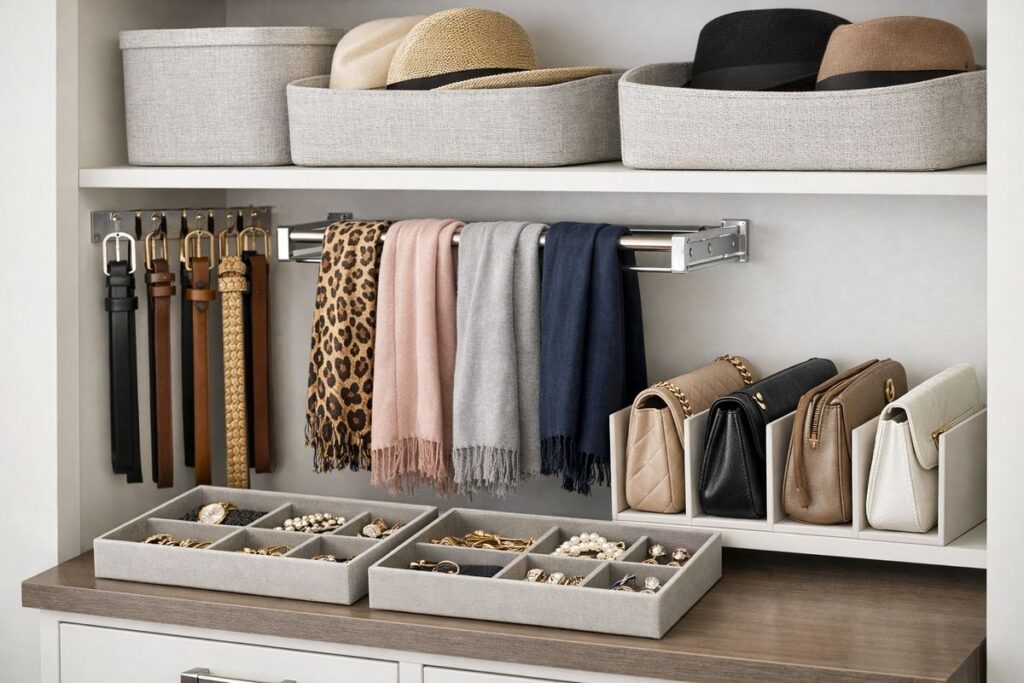
If your closet still creates a pile on the chair by Thursday, more bins are not the answer. The best budget closet organizers fix the actual bottleneck, whether that’s hanging space, folded clothes, or the shoes creeping across the floor, and a few of them really do make mornings easier.
Quick picks at a glance
Here’s the short version: if you want the best overall value, go with Rubbermaid HomeFree. If you want a cleaner built-in look, ClosetMaid SuiteSymphony is the better fit. If you rent or just need a fast fix, Amazon Basics makes more sense.
| Organizer | Type | Price range | Best use | Installation |
|---|---|---|---|---|
| Rubbermaid HomeFree Series Closet Kit | Wall-mounted kit | $140 to $250 | Full closet reset | Drill into wall |
| ClosetMaid ShelfTrack Organizer | Wire shelving system | $120 to $220 | Reach-in closets with basic structure | Wall-mounted |
| ClosetMaid SuiteSymphony Starter Kit | Laminate-style starter system | $180 to $350 | Built-in look on a budget | Assembly + wall secure |
| Amazon Basics Expandable Closet Organizer | Freestanding unit | $45 to $90 | Renters, guest rooms, temporary fixes | No drilling |
| Simple Houseware Over-the-Door Organizer | Add-on organizer | $15 to $35 | Shoes, scarves, accessories | Over door |
How these budget closet organizers were picked
Price mattered, but not by itself. A cheap organizer that bows under sweaters or wastes half the wall is just a delayed return.
The better picks balance cost, adjustability, durability, and actual storage payoff. That means more usable vertical space, better visibility, and less daily friction at 6:45 a.m. when you are trying to find a clean shirt and one matching shoe.
The focus here is on affordable systems and add-ons that help a real closet function better, not just look tidier for a weekend. That matters because prefab closet systems usually cost far less than custom work, which makes them the sweet spot for many homeowners.
Rubbermaid HomeFree series closet kit – best budget wall-mounted system
If you are done patching the problem and want a real reset, this is the smart pick. Rubbermaid’s HomeFree line has a strong reputation for holding up well, and in testing it stood out for durability, easy assembly, and secure locking clips.
Key features
The biggest win is adjustability. You get wall-mounted rails, movable shelves, and hanging rods that let you shift the layout as your closet changes. That sounds basic, but it’s exactly what keeps a system useful after the first setup.
Wall-mounted support also matters more than most people expect. It gives you better vertical storage and a steadier structure for heavier clothes, bags, or stacked sweaters. If your current closet sags in the middle, this is the opposite of that.
Pros and cons
The pros are clear: sturdy hardware, flexible layout, and strong value for the money. It feels like a real upgrade, not a plastic stopgap.
The catch is installation. You need to drill into the wall, find studs, and spend a little time getting everything level. That is more work up front, but honestly, it is usually worth it if you plan to stay in the home.
Pricing
Expect to spend roughly $140 to $250 depending on size and configuration. That places it in the affordable but substantial category. It costs more than a freestanding rack, but far less than going all the way to a custom build.
Verdict
Buy this if you want lasting function per dollar. Among budget closet organizers, this is one of the smartest choices for homeowners who want the closet to work better every day, not just look better after a Saturday project.
ClosetMaid ShelfTrack organizer – best for simple, sturdy wire shelving
If your closet has one rod, one shelf, and constant overflow, ShelfTrack fixes that without getting fancy about it. This is a practical, dependable system for reach-in closets that need more structure fast.
Key features
The wire shelving layout is adjustable, and the standards let you reposition pieces over time. You can add shelves, split hanging sections, and make better use of height without reinventing the whole closet.
Wire shelving is not glamorous. But basic can be exactly what gets your mornings moving again. There is a reason shelving systems hold 64.1% of the market. They work.
Pros and cons
The strengths are support, visibility, and low fuss once installed. You can see what you own, and that alone cuts down on the closet black hole effect.
The downside is precision. Some shelf pieces are short and non-telescoping, so your measurements need to be right. Also, if you want a polished built-in look, this is not that.
Pricing
Most setups land around $120 to $220, and individual components stay fairly affordable if you want to build slowly. If you are still comparing broader upgrades, it helps to understand what a larger closet project usually costs before buying piece by piece.
Verdict
This is for you if function matters more than finish. It is reliable, sturdy, and no-drama, which is exactly why it earns a spot here.
ClosetMaid SuiteSymphony starter kit – best for a more built-in look on a budget
Some closets need more than rods and wire shelves. If folded clothes, shoes, and accessories keep spilling into the bedroom, SuiteSymphony gives you a more finished setup without custom-closet pricing.
Key features
This system uses a laminate-style design that looks more built-in than wire shelving. You can expand it with drawers, towers, and extra shelves, which helps separate categories instead of stacking everything into one messy zone.
That matters in daily life. A starter tower kit in this line offers 75 inches of shelf space, which is a real help when open shelving alone has not kept folded items in check.
Pros and cons
The polished look is the obvious upside, but the better category separation is the real reason to buy it. Drawers and towers give loose items a home, which can finally clear that bedroom-corner chair.
The trade-offs are weight, assembly time, and flexibility. This kind of system is heavier, a little fussier to put together, and not as easy to rework later as a simple wire setup.
Pricing
Starter kits usually run about $180 to $350, and add-ons can push the total higher. Budget here means cheaper than custom storage, not dirt cheap.
Verdict
Choose this if you want a cleaner, more built-in feel and you know visual order helps you stay organized. The style upgrade is nice, but the real value is better control over folded clothes and accessories.
Amazon basics expandable closet organizer – best renter-friendly starter option
Sometimes you do not need a full install project. You just need more structure this weekend, without holes in the wall or a two-hour argument with a level.
Key features
This freestanding unit uses an expandable frame, basic hanging space, and simple assembly. It works best in apartments, guest rooms, backup closets, or any spot where drilling is not happening.
The appeal is low commitment. You can set it up quickly, move it later, and use it as a test run before spending more on a permanent system.
Pros and cons
Setup is easy, and flexibility is the biggest strength. It is a good answer when you need help now.
The downside is long-term sturdiness. Weight capacity is lower, and it will not feel as solid as a wall-mounted kit. This is more of a good fix than forever solution.
Pricing
Most units fall between $45 and $90, which makes this one of the most accessible budget closet organizers on the list. For renters or overflow storage, that price makes sense.
Verdict
Pick this for lighter storage, temporary use, or rooms where mobility matters. If your closet problem is serious and ongoing, this may buy time, but it probably will not be the final answer.
Simple houseware over-the-door organizer – best low-cost add-on for shoes and accessories
Here’s the thing: sometimes the floor is the problem, not the rod. If shoes, scarves, bags, or cleaning supplies are what make your closet feel messy five minutes after tidying, an over-the-door organizer can make a bigger difference than a full shelf insert.
Key features
This style uses pocket or rack storage and installs without drilling. It turns unused vertical door space into practical storage, which is one of the easiest wins in a cramped closet.
That kind of add-on can clear the floor fast. It also pairs well with other small closet fixes that reduce daily chaos instead of trying to do everything with one oversized system.
Pros and cons
The upside is obvious: low cost, quick setup, and immediate payoff. For accessories and smaller shoes, it is hard to beat the storage gain per dollar.
The limits are weight, door clearance, and bulkier items. This works best as a support player, not the whole team.
Pricing
Expect to spend about $15 to $35. That puts it firmly in the small spend, noticeable difference category.
Verdict
If shoes and accessories are what keep your closet looking messy, this is the easiest first thing to try. One overlooked door can act like found storage.
How to choose the right budget closet organizer for your space
A good organizer solves your repeat problem. A bad one just adds more stuff to manage.
Match the organizer to your biggest pain point
If your issue is hanging space, start with a system that adds double rods or adjustable rails. If folded clothes keep collapsing into each other, look for shelves, drawers, or dividers. If shoes and scarves are the real mess-makers, a targeted add-on often works better than a giant all-in-one unit.
The trick is to fix the bottleneck, not just buy more containers. Professional organizers say storage should match the function of the space, and that is exactly right.
Measure before you buy
Measure width, height, depth, and door swing before ordering anything. A few inches can be the difference between a satisfying fix and a return box sitting in the hallway for a week.
Decide between wall-mounted and freestanding
Wall-mounted systems usually win on stability and long-term performance. Freestanding units win when flexibility matters more, especially if you move often or cannot drill into walls.
If you are staying put and want the better result, wall-mounted is usually the right answer.
Think in layers, not one giant solution
A main system plus one or two add-ons often works better than one oversized organizer. A wall-mounted kit for clothes, an over-the-door rack for accessories, and drawer dividers for small items can feel a lot more manageable than trying to solve everything with one purchase.
Budget mistakes that waste money
The most common mistake is buying bins before figuring out what needs to be stored. Organizers repeatedly warn against that because containers are not a plan, they are just containers.
Another mistake is choosing looks over function. A prettier organizer that wastes vertical space or cannot handle real weight will annoy you every morning. The same goes for stuffing a weak unit with heavy clothes or piles of shoes. If a system feels flimsy in the box, it will not improve after installation.
Which budget closet organizer is best for you?
For the best overall value, choose Rubbermaid HomeFree. For simple wall-mounted function, ClosetMaid ShelfTrack is a strong second. For a more built-in feel, SuiteSymphony is the better fit. For renters or low-commitment setups, Amazon Basics is the easy choice. For the cheapest upgrade with fast payoff, go with the Simple Houseware over-the-door organizer.
Try one fix first this week. Even if it is just reclaiming the closet door for storage, that one change can stop the daily pileup from starting.
Frequently asked questions
What is the best budget closet organizer for a small reach-in closet?
A wall-mounted kit like Rubbermaid HomeFree or ClosetMaid ShelfTrack usually works best. Both make better use of vertical space and add more structure than bins or shelf inserts alone.
Are budget closet organizers worth it?
Yes, if you buy the right type for your problem. A well-chosen prefab system can improve storage and visibility for a fraction of the cost of custom work.
Is wall-mounted better than freestanding?
For long-term use, yes. Wall-mounted systems are usually sturdier and better for heavier clothing. Freestanding works better when you need flexibility or cannot drill into the wall.
How much should you spend on a budget closet organizer?
A simple add-on can cost $15 to $35, while a full prefab system often lands between $120 and $350. That is still far below custom closet pricing, which can run much higher.
What should you do before buying any closet organizer?
Empty the closet, sort what stays, and measure everything. Buying before measuring is one of the fastest ways to waste money.