


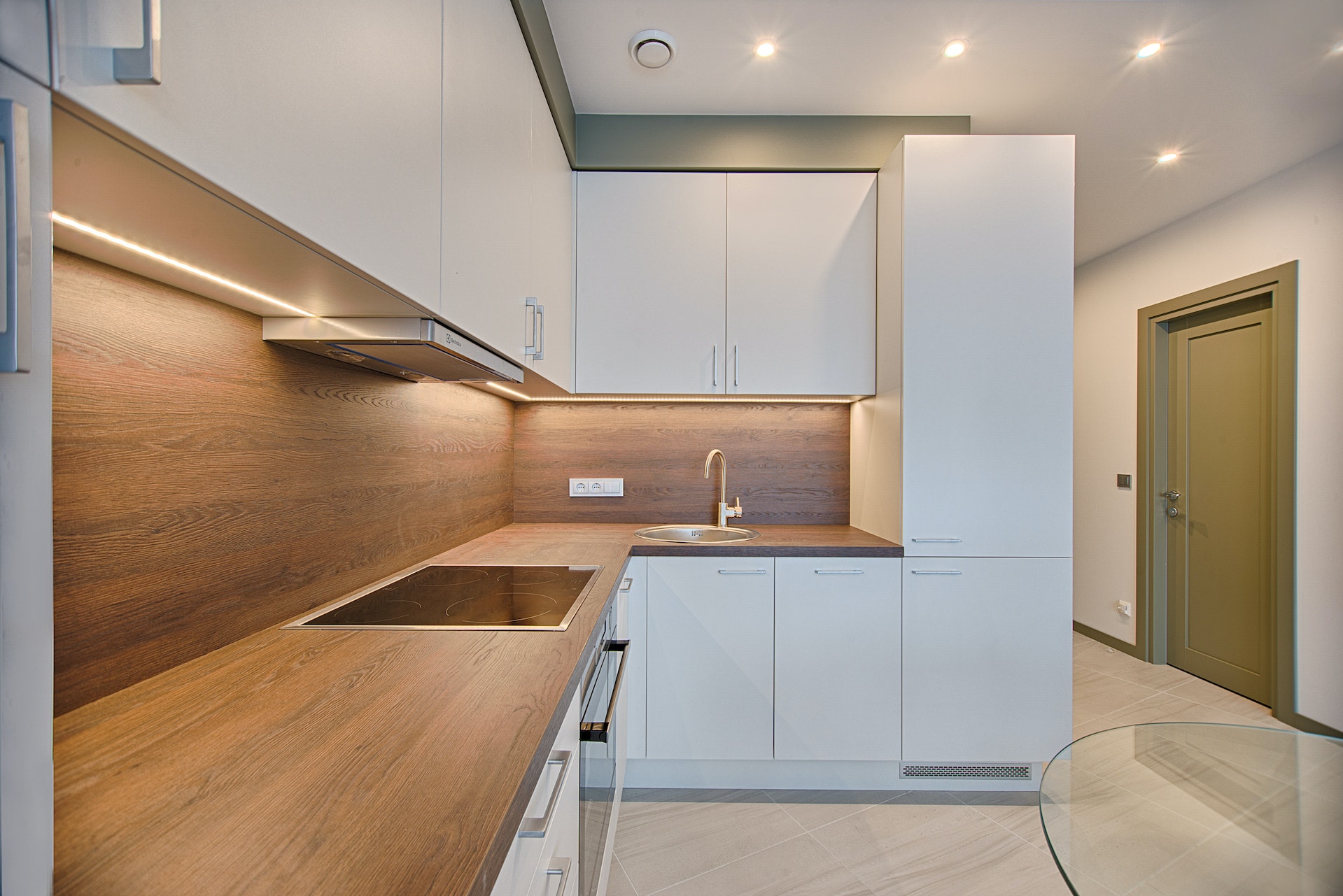
Your kitchen might feel cramped whenever you prep meals or rummage through crowded drawers. When every square inch counts, it can be challenging to find creative ways to store utensils, cookware, and pantry items while keeping surfaces clutter-free. Thankfully, there are practical strategies to help you make the most of limited space. This guide will introduce you to kitchen storage ideas for small spaces, so you can design a kitchen that matches how you really use it.
Unlike large kitchens that can hide clutter behind spacious cabinets, small kitchens require consistent organization to maintain functionality. By focusing on how you actually cook, clean, and move around, you can tailor storage solutions that fit your daily routine. Simple additions like pull-out drawers and stacked shelving can transform your cooking area without a major remodel. Whether you are looking for smart kitchen storage ideas or just want a tidier space, you have many choices to explore.
Before you dive in, it is worth understanding what you truly need in your kitchen. A quick audit of appliances, dinnerware, and cookware can reveal items you no longer use. Clearing out these less-frequented pieces immediately frees up more room for daily essentials. Once you have that fresh start, you can incorporate everything from slim rolling carts to wall-mounted racks for maximum efficiency.
Feel free to think beyond cabinets and pantries. Creative solutions exist all around, from the open wall space above your countertops to the backs of cabinet doors. Each approach aims to minimize wasted areas and make your kitchen a functional, welcoming hub. If you want to see more custom designs, you can also explore Closets Plus Florida for additional inspiration.
Assess your layout
Start by mapping out the key zones in your kitchen. Consider where you typically prep food, cook meals, and clean up. This helps you see how frequently each corner of your kitchen gets used. Identify any underutilized areas near your stove, fridge, or sink that could serve as valuable real estate for storage.
When you assess your layout, look at existing storage compartments. Are your essential pots and pans located in a far corner, or is your silverware a few steps away from your dining area? The goal is to minimize extra steps when you are fetching or storing items. Placing cooking implements near the stove, for example, cuts down meal prep time and reduces the risk of accidental spills.
Your layout analysis will also highlight any major obstructions. A stove blocking part of a narrow walkway or a bulky island that dominates your limited floor space might need a new approach. Think about removing or relocating these barriers if they impede movement or cause frustration. You could even swap out an oversized table for a folding alternative that opens up when you truly need it.
Once you have a clear picture of your kitchen’s workflow, you will be better prepared to choose relevant solutions. No single design fits everyone’s needs, so a thorough layout check ensures each idea you implement genuinely solves a storage problem. If you are seeking more details on analyzing kitchen footprints, explore the variety of kitchen storage design ideas available. You will be amazed at how a small shift in furniture or appliances can open up new storage possibilities.
Purge and declutter often
One of the most effective ways to create extra space is by letting go of items you rarely use. According to some experts, regularly reviewing your utensils, gadgets, and appliances keeps clutter from creeping in [1]. If those novelty cake pans or specialty appliances never see daylight, consider donating or storing them elsewhere. A smaller collection of items, all used regularly, is easier to organize and access.
Start small by doing a drawer-by-drawer audit. Pull everything out, wipe down the interior, and only return the items you use at least once a week. The rest can find a new home in larger storage outside the kitchen or be passed on if you no longer need them. This process might take time, but it sets a strong foundation for the rest of your storage upgrades.
Setting aside an hour each month to review your space will keep it from slowly filling back up. Over time, even the most organized kitchens accumulate free promotional mugs or random gadgets you forgot you had. By purging regularly, you maintain a manageable inventory of cooking tools. This habit also protects newly gained cabinet or drawer space from becoming junk-filled again.
When clutter is gone, you will quickly see your real space potential. Suddenly, organizing becomes easier, and you will have more room for new solutions like tension rods, lazy susans, or vertical shelving. Keeping only the items you truly use ensures these enhancements stay neat and functional. Plus, a clutter-free environment makes daily tasks feel far more enjoyable.
Make use of vertical space
In many small kitchens, walls are an overlooked resource. When you cannot expand outward, building upward is your next best move. Installing open shelves, hanging rails, or tall cabinets turns your bare walls into valuable real estate for plates, glassware, and cookware. As The Kitchn notes, vertical solutions can also house bulky appliances like mixers, freeing up prime counter space.
If you have an empty corner, consider adding a narrow shelving unit that extends close to the ceiling. This approach not only holds storage baskets but also keeps everyday items at eye level. Be mindful to store more frequently used objects on lower shelves for easy reach. Reserve the top shelves for seasonal or rarely used items, ensuring you still get the vertical advantage.
Another popular vertical strategy is the use of hooks or pegboards. These systems allow you to hang utensils, measuring cups, or lightweight pans instead of stashing them in overfilled drawers. Hooks placed on the backs of cabinet doors also add space for dish towels, pot holders, or plastic wrap. Just remember to keep high-traffic zones clear so you do not bump into hanging items while cooking.
If you would like to see a range of vertical solutions in action, check out the efficient kitchen storage solutions that many homeowners rely on. Every nook can become functional, from the highest closet shelf down to the smallest ledge near your stove. And because these solutions keep items off your counters, your entire kitchen can appear roomier. Embrace the vertical approach, and you will notice an immediate boost in workflow and space.
Leverage well-organized drawers
Drawers often become a black hole for random items, especially in a small kitchen where everything competes for real estate. By carefully planning each drawer’s purpose, you can streamline your cooking process. Store silverware and knives in a more accessible position near the sink or dining area so you are not crossing the entire kitchen to set the table [1]. Designate other drawers for gadgets, wraps, and dish towels, making each category easy to find.
Drawer organizers are a powerful tool for taming chaos. They create separate compartments for measuring spoons, spatulas, and specialty utensils, ensuring that everything has a home. If your current organizer does not fit perfectly, consider sizing or swapping it out with an acrylic or bamboo alternative that matches your drawer dimensions. This small investment can dramatically improve how quickly you can find the right tool.
For deep drawers, adding secondary tiers or removable bins can further enhance organization. You might keep large pots on the bottom level and smaller lids and accessories in a bin above them. Whenever possible, group items by function, such as baking supplies or coffee essentials. This helps you locate what you need without rummaging through multiple stacks.
Do not forget that drawers can also hold produce if your counter space is tight. Just remember to keep items like onions or potatoes in a cool, dark area that allows for ventilation. In many setups, the bottom drawer can function like a mini root cellar. For more ideas on maximizing drawer potential, you can explore our kitchen storage tips and tricks, which includes ways to layer drawers effectively.
Add multifunctional touches
Small kitchens call for furniture and accessories that serve more than one purpose. An ottoman with built-in storage could double as seating and a place to stash linens or extra cookware. Meanwhile, a fold-out table can become your workstation by day and dining surface by night. You will find that multifunctional pieces create flexibility for how you use limited square footage.
Potential multifunctional additions for small kitchens:
- Ottomans or benches with hidden compartments that also provide extra seating
- Fold-out tables that double as a desk or meal prep surface
- Rolling carts equipped with cutting boards, utensil hooks, and lower shelves
- Expandable dining tables that can seat more guests but fold down when not in use
A pull-out drawer surface, for instance, can provide additional workspace for chopping vegetables. You can slide it back in when you are done, or even store small appliances within it so they are not taking up permanent counter space [2]. This approach is a lifesaver for kitchens that lack large open countertops. Anytime you can combine two functions in one spot, you save significant room overall.
Kitchen carts are another option for multifunctionality. The KUNGSFORS Kitchen cart, for example, not only offers space to prep or stage ingredients but also rolls out of the way if you need more floor area later [2]. A rolling cart can even host ingredients for specific meals, so you can wheel them around between the pantry and stove. If you are looking to optimize convenience without sacrificing style, these versatile pieces can make all the difference.
Optimize awkward corners
Corner cabinets and narrow gaps near appliances often go unused, but they can make prime storage spots. Installing a lazy susan in a corner cabinet allows you to spin pots, pans, or mixing bowls into reach [1]. By maximizing awkward corners, you free up your main cabinets for items you use daily. This approach also makes it easier to see everything, so nothing gets lost in the back.
You can also slip a narrow rolling cart between your fridge and wall, or beside your oven, to store spices and condiments. The XYZLVSI Slim Storage Cart is designed for exactly these tight spaces, offering tiers for small jars and bottles with a convenient wooden top [3]. Keep an eye on height and width measurements before you buy, ensuring it fits snugly. You will be surprised how many items you can line up neatly in these compact carts.
If your corner is too tiny for a lazy susan or a shelving insert, you might consider hooking items there instead. Even a simple adhesive hook can hold a pot lid, strainer, or oven mitt. Evaluate any unused vertical beams or the sides of cabinets that butt against the corner. These small touches collectively multiply your storage potential without a huge renovation.
Below is a quick comparison of some popular small-kitchen storage units available online. Each option targets a specific need, whether you want mobile prep space or a tall, narrow cabinet. Explore what fits your corner best and measure carefully before making a purchase.
| Product | Key feature | Ideal for |
|---|---|---|
| ThreeHio Rolling Kitchen Microwave Cart [3] | Lockable wheels and 3-tier design for easy movement | People who want a mobile surface for appliances |
| VASAGLE Floor Storage Cabinet [3] | Adjustable shelves, freestanding unit | Those needing flexible storage in corners or bathrooms |
| HOOBRO Kitchen Island [3] | Includes power outlets, spice rack, and built-in drawer | Cooks who need extra prep space and mobility |
| XYZLVSI Slim Storage Cart [3] | Narrow rolling cart with wooden top and 4-tier shelves | Filling tight gaps between appliances |
| VECELO 4-Tier Tall Narrow Storage Cabinet [3] | Magnetic doors, adjustable shelves, slim footprint | Maximizing vertical storage in small kitchens |
Mount smart wall solutions
Mounting racks, rods, and magnetic strips onto walls allows you to hang everything from knives to cookware for convenient grab-and-go access. A magnetic knife rack keeps sharp blades off the counter, while S-hooks along a rail can hold measuring cups, spatulas, or even small pots [4]. This frees up drawer space and brings your most-used tools right into view. Plus, keeping knives stored securely on a wall can prevent accidental cuts in cluttered drawers.
Wall-mounted solutions also help when your cabinet space is maxed out. If you have an unused stretch of wall near the stove, consider installing a rack for lids or pot holders. That way, you are not juggling a hot pot handle while digging around for your mitts. A simple shelf above the sink can also serve as a drying area for cups or dishes, eliminating the need for a bulky dish rack on the counter.
The KUNGSFORS series from IKEA offers an entire line of corrosion-resistant racks, hooks, and shelves that mount directly to the wall [2]. You can customize your configuration with S-hooks, magnetic knife holders, or mesh bags for produce. This modular design means you can swap out pieces as your needs change without drilling new holes every time. If you are interested in a deeper dive into unique wall-mounted options, consider browsing additional kitchen storage design ideas for inspiration.
Another popular method is to place rods or pegboards on the backs of doors and cabinet surfaces. The added dimension is often enough to hang lightweight items like measuring spoons or swivel-out spice racks. Just be careful not to overload them, which can damage hinges or create difficulty closing doors. Mounting these elements thoughtfully can significantly expand your kitchen’s capacity to store and organize.
Maintain daily organization
No matter how many storage solutions you install, you still need daily habits that keep your kitchen tidy. Performing quick resets throughout the day helps keep clutter from building up. Simply wipe surfaces regularly, return utensils to their designated places, and discard any trash or expired leftovers immediately. The less you let items accumulate, the simpler it will be to maintain a functional space.
If multiple people share the kitchen, communication is key. Ensure everyone knows where items belong and encourage them to put things back right after use. Labeling drawers or shelves with simple words or images might assist children or guests. The ultimate goal is to prevent the dreaded scenario where someone rearranges everything, leaving you searching for basic tools.
Stay mindful about your daily cooking routine as well. If you notice certain items repeatedly surface on the counter, adjust your storage plan to make those items more accessible. For instance, you might reorganize that overhead shelf for easier reach or switch drawers if you are always rummaging for specific utensils. Listening to your day-to-day patterns will keep your system flexible and relevant.
You can also adapt your storage each season, especially if you enjoy cooking different types of meals as the weather changes. Keep an open mind and do not be afraid to switch up your original plan. For added inspiration, check out smart kitchen storage ideas that illustrate how to tweak your layout as your needs evolve. With small yet consistent efforts, you protect the comfortable, uncluttered feel you have worked so hard to achieve.
Designing storage around how you actually use your kitchen can be both creative and practical. By assessing your layout, clearing away clutter, and incorporating multifunctional solutions, you take the first step toward a more efficient cooking space. Vertical shelving, wall-mounted racks, and well-organized drawers all work together to eliminate wasted areas. Each method complements the others, creating a harmonious setup tailored to your daily routine.
As you begin implementing these kitchen storage ideas for small spaces, remember that organization is an ongoing process. Adjust and refine your plan whenever you spot a bottleneck or discover a new tool you truly love. In the end, the goal is to enhance your kitchen’s usability and aesthetic appeal without undergoing a full renovation. With the right mix of mindful decluttering and clever storage strategies, your small kitchen will easily accommodate all your culinary endeavors.
References
- (Just a Girl and Her Blog)
- (IKEA)
- (Amazon)
- (The Kitchn)