


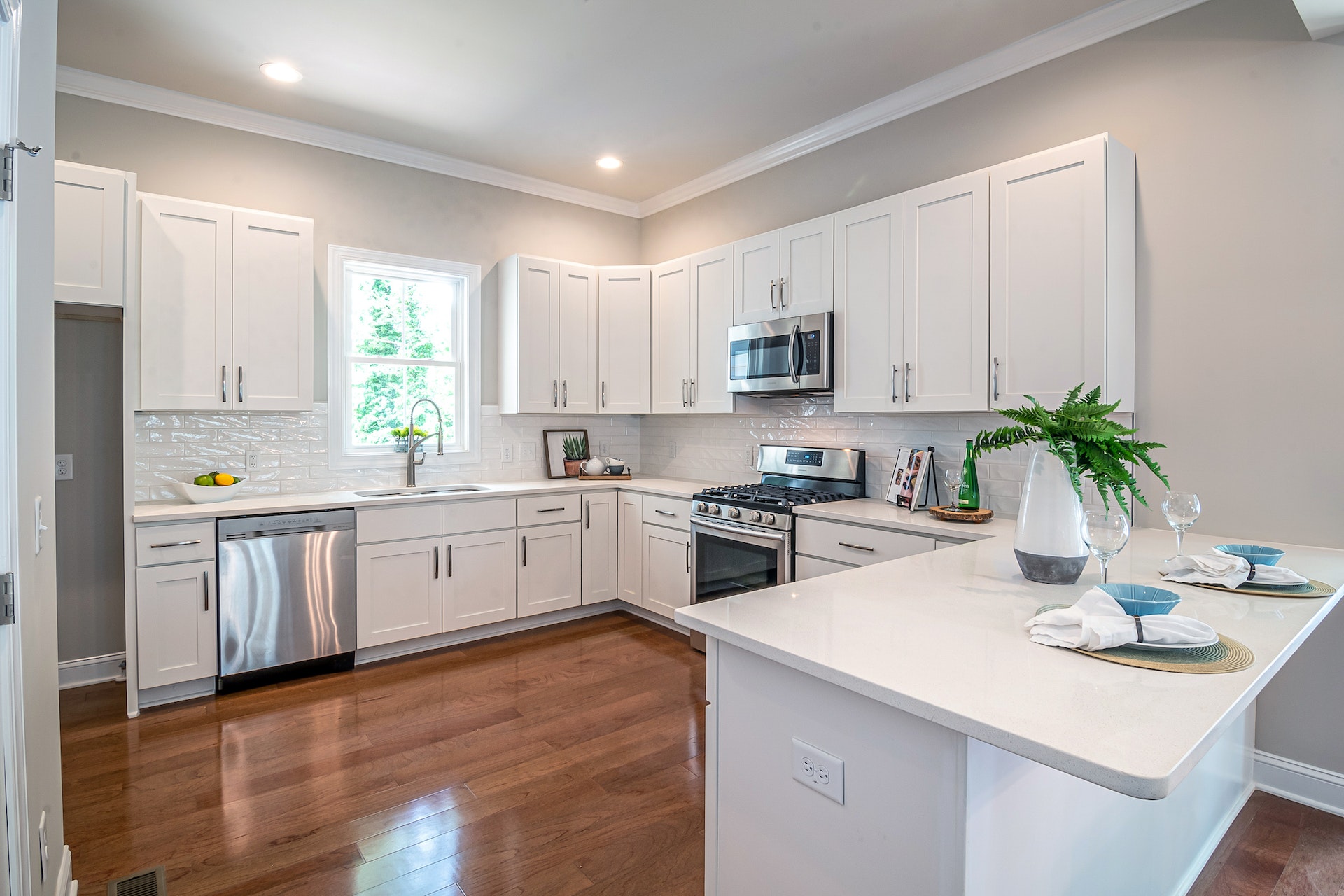
If you’re struggling with crowded counters and overflowing cabinets, you’re not alone. Many homeowners face the challenge of finding effective kitchen storage solutions for small spaces, especially when standard cabinets fall short. By tapping into overlooked areas like walls, corners, and the narrow gap beside your fridge, you can free up valuable work surfaces and keep all your essentials in easy reach. According to The Kitchn in 2025, installing a simple wall rack can instantly store utensils, pots, and pans, transforming dead wall space into a functional hub for cooking tools (The Kitchn). The secret is to get creative with unused spots rather than trying to cram more items into already tight cabinets. With thoughtful planning, you’ll soon see that your small kitchen has more storage potential than you ever imagined.
See hidden opportunities
It’s easy to assume you just don’t have enough cabinets, but the real trick lies in spotting the nooks and crannies hiding in plain sight. Check above your refrigerator, around the sides of cabinets, and even in the toe-kick area under lower cupboards. The Spruce recommends adding a narrow rolling pantry between the fridge and the wall to store canned goods and nonperishable essentials (The Spruce). This strategy transforms what’s typically wasted space into a mini-pantry. If you rarely use certain items, consider stashing them on top of the fridge in baskets to keep them contained and out of view.
For more space-saving ideas you can adapt to your home, visit space-saving kitchen storage ideas. You’ll find fresh tips to maximize every kitchen inch, even areas you might not have considered before. A little creativity and the right accessories can turn a cramped corner into a surprisingly functional station.
Optimize vertical storage
When floor space is limited, think upward. Hanging systems are a lifesaver in small kitchens, because they free up counters and cabinets while keeping your most-used items at eye level. IKEA’s KUNGSFORS series is an example of a wall-mounted storage setup designed for compact kitchens, with corrosion-resistant racks, magnetic knife strips, hooks, shelves, and clips (IKEA). From storing spices to holding your favorite skillet, you can customize every inch of rail space to match your cooking style.
- Consider a hanging pot rack. Pots and pans can quickly fill lower cabinets, especially if you own multiple sizes and types. A sturdy rack above your stove or along a wall solves this problem.
- Use pegboards with hooks. Pegboards aren’t just for craft rooms or garages. They let you rearrange items, add hooks, and even attach small baskets for produce or cleaning tools.
- Add a wire shelving unit. The Kitchn recommends wire shelving to create “vertical zones” for items like mixers, kettles, and extra dishes (The Kitchn). This unit can stand against a free wall or slide next to your fridge for even more storage.
Organize inside drawers
Small kitchens often contain just a handful of drawers, so every inch inside them counts. Drawer organizers let you categorize utensils, gadgets, and tiny pantry essentials without wasting space. According to The Kitchn, a well-planned drawer system can significantly boost how much you can store (The Kitchn). Here’s how you can optimize drawer space:
- Divide utensils and gadgets. Separate spatulas, tongs, measuring spoons, and cutlery into specific compartments. This prevents items from tangling and saves you time when you need a quick grab.
- Use adjustable or custom-fit organizers. Off-the-shelf solutions might not perfectly fit your kitchen dimensions. Customizing can ensure no corner goes unused, which is exactly what the blogger at Just a Girl and Her Blog discovered in her own four-drawer kitchen (Just a Girl and Her Blog).
- Reserve lower drawers for heavier items. If you have only a couple of deep drawers, store pots, pans, and mixing bowls there. This frees your cabinets for plates, cups, and pantry goods.
Add pull-out solutions
Deep cabinets hold plenty of potential if you can actually reach what’s in the back. Sliding shelves and pull-out baskets offer quick access to everything in your pantry or under-sink area. You’ll avoid the frustration of forgetting items or knocking over containers trying to grab something hiding in the back corner.
- Transform cabinet shelves. Adding pull-out drawers or roll-out baskets ensures that cans, jars, and boxes don’t get lost. The Kitchn highlights that pull-outs can greatly improve pantry organization in a small kitchen setting (The Kitchn).
- Install under-sink organizers. This spot easily becomes a messy graveyard for cleaning supplies. A pull-out option helps separate essentials like sponges, dish soap, and trash bags.
- Slide-out workspace. IKEA also offers a pull-out surface you can attach to a drawer front, giving you extra chopping or unloading space without crowding your counters. It can hold up to 55 lbs, making it perfect for small appliances like blenders and stand mixers (IKEA).
Use flexible furniture
If you’re looking for a temporary prep area or extra spots to keep cookware, flexible pieces like kitchen carts can be a game-changer. A cart can roll out only when you need it, and slide into a corner or closet when you don’t. This frees up valuable floor space for your day-to-day routine.
Wayfair carries several options designed for small kitchens:
- The Amata Kitchen Cart by Kelly Clarkson Home offers drawers, open shelves, and a cabinet for organizing cookware, dishes, and utensils. Its mobile design is ideal if you prefer to move storage around as needed.
- The Bayview 33” Stand Kitchen Pantry by Winston Porter is a tall, compact unit with multiple doors and adjustable shelves, giving you a mini pantry in a slim footprint.
These pieces can also serve as countertops where you can chop veggies or assemble meals. When dinner is done, roll your cart away to maintain an open feel. If you prefer a more built-in approach, you might explore custom kitchen storage solutions that maximize every available inch, from floor to ceiling.
Leverage overlooked spaces
Every kitchen has at least one area that rarely gets used, and that’s exactly where you want to focus. Look at the gap beside your fridge, the sides of cabinets, or even under-cabinet toe kicks you can transform into hidden drawers.
- Under-cabinet possibilities. The Spruce suggests installing toe-kick drawers to store flat pans, baking sheets, or cutting boards (The Spruce). Short on counter space for utensils? A simple curtain rod with S-hooks can hold spatulas and spoons out of your way.
- Cabinet tops. If cabinets don’t stretch to your ceiling, place decorative baskets or bins on top for rarely used items like holiday baking gear or extra pantry staples. Keep a sturdy stool nearby so you can access them without hassle.
- Mason jar racks. Don’t have a dedicated pantry? Arrange mason jars on a wall-mounted rack to store dry goods like flour, rice, cereal, or pasta. This not only preserves freshness but also turns your stored items into a display.
Group items for daily ease
Organizing your kitchen by frequency of use can make a big difference in how smoothly your daily cooking goes. Put everyday dishes, seasonings, and cooking utensils in the most accessible spots, like eye-level shelves or top drawers. Less frequently used appliances—like the waffle iron or juicer—can go higher up or in those deep corners.
By creating small “zones,” you’ll be able to optimize your workflow. For instance:
- Coffee station: Keep coffee beans, mugs, filters, and the coffee maker together so your morning routine is seamless.
- Baking corner: Store flour, sugar, measuring cups, and mixing bowls where you typically do your dough prep.
- Smoothie base: If you make smoothies every day, keep your blender, favorite protein powders, and mugs in a central area. Just a Girl and Her Blog refers to this concept as designing a “smoothie station,” which saves time grabbing items from multiple cabinets (Just a Girl and Her Blog).
Grouping similar tasks and their tools in the same space not only speeds up food prep but also reduces overall clutter.
Streamline for long-term impact
Once you’ve upgraded your kitchen storage solutions for small spaces, it’s crucial to maintain your new system. Small kitchens can get chaotic fast if you don’t have a plan to eliminate clutter regularly. A quick weekly clean-out can keep cabinets orderly, especially if you’re prone to stuffing items in corners. Look at expiration dates, discard anything stale, and relocate items that crept out of their designated zones.
Purging frequently is the key to success. If you haven’t used that sandwich press in the past year, consider donating it or storing it away from the kitchen. That way, you’ll have room for what you actually need. This routine helps you avoid returning to the days of shuffling through cluttered drawers just to find a measuring cup.
For a comprehensive approach to tackling clutter once and for all, you can also gear up with kitchen organization without cabinets. It’s a reliable way to stay on top of limited storage if your kitchen lacks built-in cabinetry.
Explore more tailored options
Sometimes even the best DIY efforts or store-bought organizers can leave you wishing for an exact fit. That’s where custom solutions shine. Whether it’s a corner cabinet built for your kitchen’s unique angle or a pull-out drawer sized for a tall blender, customizing can transform your space constraints into an ideal layout. Built-ins can also match your personal style, so your kitchen remains both functional and beautiful.
If you’re curious about a long-term fix that seamlessly merges with your existing design, explore efficient kitchen storage solutions or consider a professional consultation. Experts can evaluate your workflow and identify hidden pockets of space you never noticed, ensuring that every shelf, hook, or drawer is placed precisely where you need it.
Recap and next steps
Your small kitchen doesn’t have to feel cramped. By taking advantage of wall racks, vertical shelving, pull-out drawers, and thoughtfully chosen furniture, you can open up your space in ways that standard cabinets alone may not. Look beyond obvious solutions and focus on high-traffic zones, maximizing both aesthetics and functionality. Keep your most-used utensils and ingredients in easy reach, experiment with adjustable organizers, and remember to tidy and purge regularly.
Here’s a quick summary:
- Embrace unused corners and gaps.
- Hang storage on your walls to free counters.
- Use drawer organizers to categorize utensils.
- Install pull-outs for deep cabinets.
- Add a small rolling cart or flexible furniture.
- Store items by frequency of use.
- Clean out and reorganize weekly.
- Consider custom designs if standard solutions fall short.
Take one step at a time. Maybe you’ll start with a simple pull-out pantry, or swap a jumble of utensils for a tidy, divided drawer. As you see how these changes simplify your kitchen routine, you’ll feel more confident about tackling the rest. With the right combination of creativity and practicality, your tiny kitchen can offer a truly enjoyable cooking experience.